ABRSM Grade 3 Music Theory | Start
Pass Your Grade 3 Music Theory with Distinction! ABRSM Grade 3 Theory Video Course Develop your knowledge of notation, including more key signatures and compound time signatures and grouping of …
Pass Your Music Theory Exam with Confidence!

Pass Your Grade 3 Music Theory with Distinction! ABRSM Grade 3 Theory Video Course Develop your knowledge of notation, including more key signatures and compound time signatures and grouping of …

Pass Your Grade 2 Music Theory with Distinction! ABRSM Grade 2 Theory Video Course Develop your knowledge of pitch and rhythm notation, including more key signatures and some less common …

Usually, when a composer writes a rhythm, they fit it to a time signature so that the notes which fall on the strong beats of the bar are given a little emphasis, …
On From Grade One For Grade Two Music Theory, you have to know all the foreign musical terms and symbols which are listed for Grade One, and a few more. …

A “triplet” is a group of three notes played in the time of two. To look at how triplets work, we’ll first look at a short rhythm in 3/4 time. …
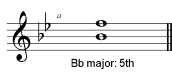
Working out Intervals The method of working out intervals is the same for both melodic (i.e. separate notes) and harmonic (i.e. notes played together) intervals: Count up the letter names, …

Tonic triads are simple chords with just three notes in them. To build a tonic triad, we start by taking the first note from any scale (which is also known …

Rests Review Rest UK rest Name US REst Name Semibreve/Whole bar rest Whole note/whole measure rest Minim rest Half rest Crotchet rest Quarter rest Quaver rest Eighth rest Semiquaver rest …
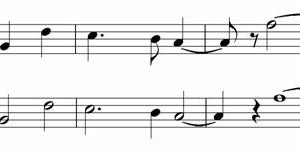
ABRSM Grade 2 Music Theory introduces a new kind of exercise with time signatures which you didn’t see in Grade 1: rewriting music in a new time signature. This is …

In your grade 2 music theory exam you will probably be asked to work out the time signature of a bar or bars. In Grade Two, there are only three …