Interval Numbers
Intervals An interval is the distance between two notes, measured as a number. In Grade One Music Theory (ABRSM and Trinity), sometimes you have to measure given intervals, and sometimes …
Pass Your Music Theory Exam with Confidence!
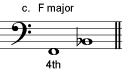
Intervals An interval is the distance between two notes, measured as a number. In Grade One Music Theory (ABRSM and Trinity), sometimes you have to measure given intervals, and sometimes …
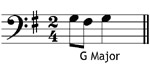
Key When we write music which mostly uses notes from the scale of C major and sounds good finished with a C, we say that the music is “in the …
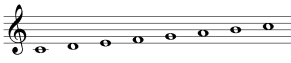
Find out how important scales are to understanding everything about music theory in the MyMusicTheory Grade 1 Video Course! The C Major Scale Listen to this series of eight notes: …
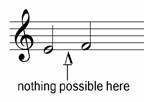
Semitones (Half Steps) A semitone (or “half step” in the USA) is the smallest distance between two different notes. Let’s use the piano keyboard to look at some examples of …
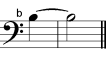
Ties In music theory, a tie is a small, curved line which connects two notes of exactly the same pitch. The time values of tied notes are added together to …

Time Signatures A time signature is a symbol which we write at the beginning of a piece of music to show how many beats there are in one bar. Time …

What are Dotted Notes? Notes and rests can have their lengths increased if we add one or more dots. For Grade 1 ABRSM music theory, you only need to understand …

Rest Shapes In music theory, rests are symbols which tell you to stop playing, and how long to stop for. Rests come in different shapes depending on how long they …
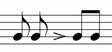
To view the note names in US English, hover over the UK terms. Beaming What is Beaming in Groups? To make music easier to read, we normally group these small …
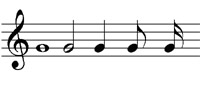
This page uses UK note names. USA note names are shown in brackets. Note Shapes To show how long notes should be held for, we draw them with different shapes. …